How to Create a Wedding Timeline That Feels Easy
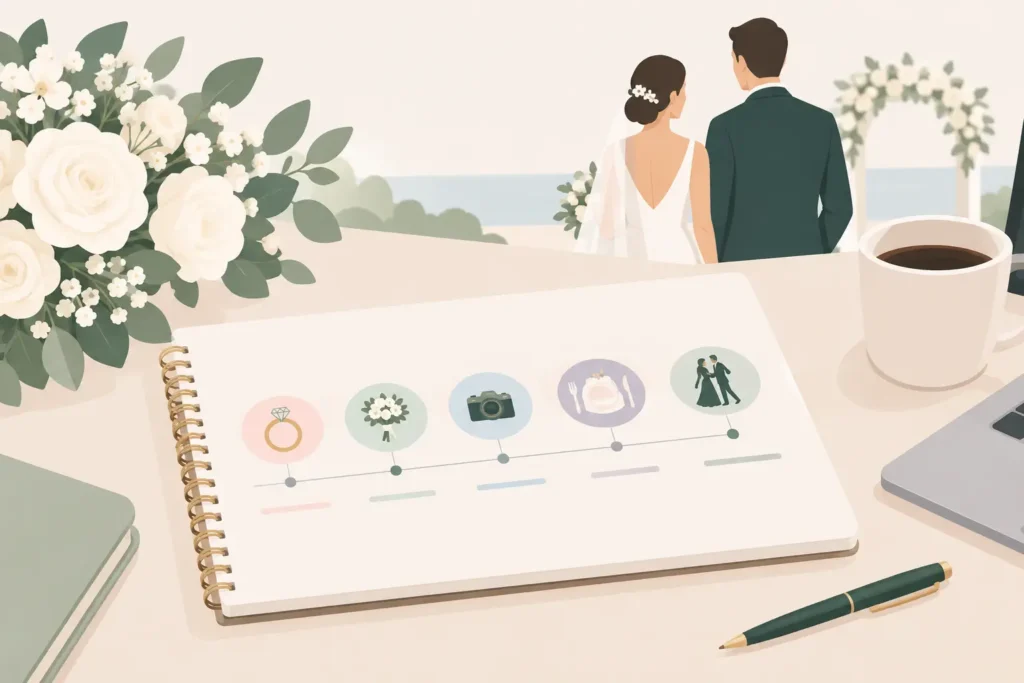
A wedding day can move quickly, especially when everyone has traveled to celebrate in an island paradise. The question, “how to create wedding timeline,” is really about more than assigning times to events. It is about protecting the quiet moments, welcoming your guests with ease, and leaving room for the joy you cannot schedule.
For a destination celebration, your timeline should feel polished without becoming rigid. The best plan gives your vendors clear direction while allowing you and your guests to enjoy the Caribbean views, meaningful conversations, and beautiful surprises that make the day your own.
Start With the Moments You Want to Remember
Before choosing a ceremony time or deciding when dinner begins, picture the parts of the day that matter most to you. Perhaps you want a private first look overlooking the sea, a sunset ceremony, an unhurried cocktail hour, or enough time to greet every guest at dinner. Those priorities should shape the schedule, not the other way around.
Choose three to five non-negotiable moments as your timeline anchors. For many couples, these include getting ready with loved ones, portraits, the ceremony, sunset photos, dinner, and dancing. Once those anchors are in place, the remaining details become much easier to organize.
This approach is particularly helpful for destination weddings because travel, warm weather, and an unfamiliar setting can affect timing. A timeline built around your experience will always feel more natural than one copied from a wedding held somewhere else.
How to Create a Wedding Timeline From the Ceremony Backward
The ceremony is usually the center of the day, so begin there. If you hope for golden-hour portraits or a ceremony with soft late-afternoon light, work backward from sunset. Your venue team can help you identify the seasonal timing that works best for your setting.
For example, if your ceremony begins at 4:30 p.m., plan for guests to arrive 30 minutes beforehand. The wedding party should be dressed and ready for photos well before that arrival window. Hair and makeup, first looks, family portraits, and transportation all need enough breathing room before the ceremony begins.
After the ceremony, allow at least 60 to 90 minutes for cocktail hour and portraits. This gives guests time to enjoy refreshments and take in the atmosphere while you capture newlywed photos without feeling rushed. If you are hosting a larger guest count or want multiple photo locations across the property, 90 minutes is usually the more comfortable choice.
Then build forward into the reception: a warm welcome, dinner, toasts, first dances, cake cutting, and open dancing. The order can change to suit your celebration. A casual patio reception may move more freely than a formal seated dinner, while a high-energy group may prefer to open the dance floor earlier.
Build in More Time Than You Think You Need
A beautiful wedding timeline has margins. Those small pockets of time prevent one delayed moment from affecting the entire evening.
Hair and makeup often take longer than expected, particularly with a larger wedding party. Add a 15- to 30-minute cushion to the end of getting ready. Schedule family photos thoughtfully as well. Create a short, specific group list in advance, and ask one trusted person who knows both families to help gather everyone.
Transportation deserves the same care. If guests are staying at different hotels or arriving from an excursion, arrange pickup times that allow for traffic and boarding. In Montego Bay, a coordinated transportation plan can make a major difference in how relaxed your guests feel from the moment they leave their accommodations.
Also account for transitions. Guests need time to move from the ceremony to cocktail hour, find their tables, refresh themselves, and settle in. A five-minute transition on paper can easily take 15 minutes in real life.
Plan for the Destination Wedding Experience
Your wedding day begins before the ceremony and continues beyond the final dance. For couples bringing guests to Jamaica, a thoughtful timeline considers the full experience.
Avoid scheduling a demanding welcome event too soon after most guests arrive. International flights, customs, transfers, and the natural excitement of arriving in a new place can make the first day feel full. A relaxed welcome drink or casual gathering gives everyone a chance to connect without pressure.
The day before the wedding should have structure, but not so much that it becomes exhausting. A rehearsal, rehearsal dinner, or sunset gathering can be lovely, especially when guests have traveled far. Keep the evening manageable so your closest family and wedding party are rested for the celebration ahead.
The same principle applies on the wedding day. If your ceremony is later in the afternoon, consider offering guests a slow morning rather than filling it with activities. A destination wedding is an opportunity to enjoy the setting, not simply race between events.
At The Palm Terrace, exclusive-use celebrations allow couples to shape the flow around their own priorities, whether that means a formal dining experience for 100 guests or an intimate celebration that unfolds across outdoor patios and landscaped grounds.
Give Each Vendor a Clear Version of the Day
Your master timeline may include every small detail, from breakfast delivery to the final shuttle departure. Your vendors do not all need that same level of information. They need a clear, relevant schedule that explains where they should be, what is happening next, and who is making decisions if you are unavailable.
Your photographer needs to know when you are getting dressed, where portraits will take place, and when the light will be best. Your caterer needs seating and dinner service timing. Your entertainment team needs cues for entrances, toasts, first dances, and the final song. Transportation providers need exact pickup locations and departure windows.
Share the finished schedule several days before the wedding, then confirm any final changes with your planner or on-site coordinator. On the day itself, designate one point person to handle questions. That might be your coordinator, a trusted family member, or a member of the venue team. It should not be you.
A Sample Wedding Day Flow
A timeline does not need to be identical to anyone else’s, but this sample shows how an elegant late-afternoon celebration might feel:
- 10:00 a.m. – Hair and makeup begin
- 1:30 p.m. – Photographer arrives for detail photos and getting-ready moments
- 2:30 p.m. – First look and wedding party portraits
- 3:45 p.m. – Immediate family portraits
- 4:30 p.m. – Guests arrive and enjoy welcome refreshments
- 5:00 p.m. – Ceremony begins
- 5:30 p.m. – Cocktail hour and newlywed portraits
- 6:45 p.m. – Reception entrance and dinner service
- 8:00 p.m. – Toasts, first dance, and parent dances
- 8:30 p.m. – Dancing begins
- 10:30 p.m. – Final song and guest transportation departures
The details will depend on your season, guest count, dinner style, venue layout, and the type of celebration you envision. A plated dinner generally needs more time than a casual buffet, for instance. A sunset ceremony may be worth adjusting the entire day around if those glowing photos are a priority.
Keep the Timeline Human
The most memorable weddings rarely follow a schedule down to the minute. A beloved toast may run long. Your grandparents may want an extra photograph. You may decide to stay on the dance floor for one more song. These are not problems when the timeline has been designed with care.
Use your schedule as a guide that creates confidence, not a clock that pulls you away from the people you love. When you balance thoughtful coordination with room to be present, your wedding day can feel exactly as it should: personal, effortless, and full of memories worth lingering in.